BloodMoney vs LoveMoney: Complete Comparison & Strategy Guide 2025
Choosing between BloodMoney and LoveMoney defines your clicker gaming experience. Both games share the common goal of accumulating $25,000, but their approaches diverge dramatically. This comprehensive comparison analyzes gameplay mechanics, strategic depth, difficulty curves, and progression systems to help you select the perfect game for your preferences—or master both for the complete clicker gaming experience.
BloodMoney's strategic optimization gameplay attracts competitive gamers seeking efficiency challenges, while LoveMoney's narrative-driven moral choices engage players who value story and character development. Understanding these fundamental differences ensures you invest time in the game that matches your gaming personality.
Game Overview & Background
LoveMoney: The Story-Driven Clicker
Developer: Buwu Release Date: September 1, 2025 Rating: 4.0★ (21,877 votes) Total Plays: 150,000+ Core Concept: Moral choice-based clicker with romance elements Primary Appeal: Narrative depth, character relationships, multiple endings
LoveMoney revolutionized the clicker genre by integrating visual novel elements with traditional clicking mechanics. Players navigate complex moral decisions while building relationships with Harvey Harvington, the game's central character. The choice system creates 14 distinct endings based on whether you prioritize money accumulation or romantic connections.
The game's massive player base (150,000+ plays) reflects its broad appeal. LoveMoney attracts players who typically avoid pure clicker games by offering meaningful narrative progression alongside mechanical optimization. The 4.0★ rating demonstrates solid execution despite some players finding the pacing slower than pure action clickers.
LoveMoney's Unique Selling Points:
- Harvey Character System: Deep relationship mechanics with affection points tracking
- 14 Unique Endings: Replay value through different moral pathways
- Choice Consequences: Every decision impacts story progression and available endings
- Psychological Depth: Explores themes of materialism, love, and personal values
- Visual Novel Integration: Rich dialogue, character development, and story arcs
BloodMoney: The Strategic Optimizer's Game
Developer: Independent (published through 2games.io) Release Date: September 24, 2025 Rating: 5.0★ (1,247 votes) Total Plays: 8,532+ Core Concept: Strategic resource management clicker with achievement system Primary Appeal: Optimization puzzles, efficiency challenges, competitive speedrunning
BloodMoney represents pure strategic clicking refined to perfection. The perfect 5.0★ rating from 1,247 players indicates exceptional execution within its focused niche. While player count is lower than LoveMoney's, BloodMoney cultivates dedicated competitive community pursuing speedrun records and 100% achievement completion.
The game appeals to optimization-minded gamers who enjoy calculating return-on-investment ratios, planning upgrade sequences three purchases ahead, and competing for leaderboard positions. BloodMoney's achievement system (24 total achievements) provides structured progression beyond simply reaching $25,000.
BloodMoney's Unique Selling Points:
- 24 Achievement System: Challenges from core milestones to hidden secrets
- Strategic Depth: Every upgrade choice impacts completion time and efficiency
- Competitive Community: Active speedrunning scene with world record pursuits
- Mathematical Optimization: ROI calculations, multiplier stacking, route planning
- Multiple Playstyles: Active clicking, passive automation, or hybrid approaches
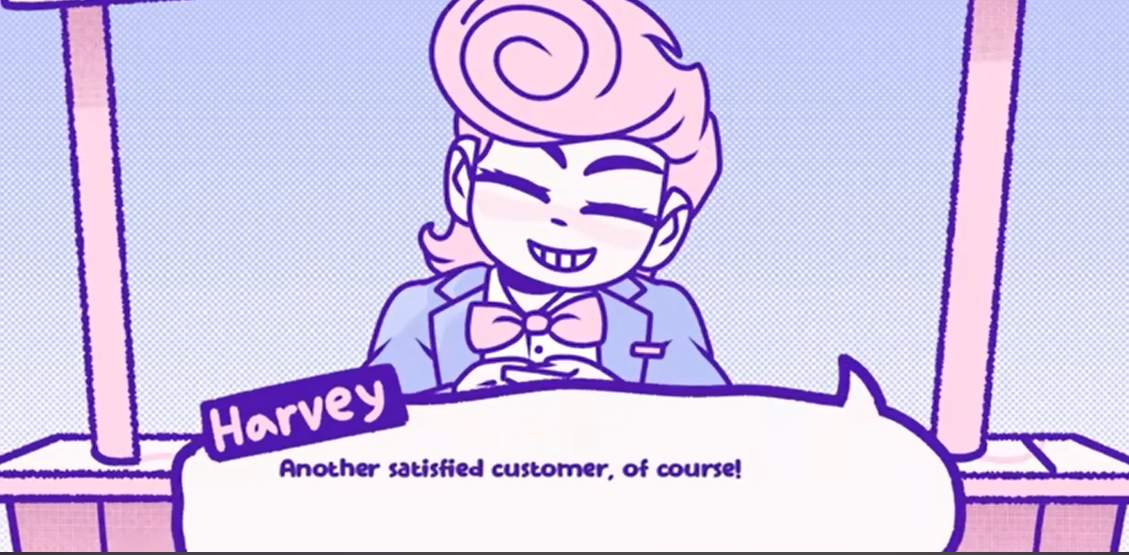 BloodMoney focuses on strategic optimization while LoveMoney emphasizes narrative choices and character relationships
Gameplay Mechanics Comparison
Clicking Mechanics: Strategic vs Narrative
BloodMoney Clicking System: BloodMoney treats every click as a calculated investment in your economic empire. Base clicking generates $1 initially, but strategic purchases transform this into exponential growth. The game rewards click efficiency over mindless spam—professional players maintain 4-6 clicks per second with deliberate rhythm patterns.
Click Value Progression:
- Early game: $1-4 per click (baseline clicking phase)
- Mid game: $8-16 per click (enhanced clicking power)
- Late game: $48+ per click with Ultimate Click Power
- Multiplier stacking: Up to $2,160 per click (with all multipliers active)
The clicking mechanics emphasize quality over quantity. Strategic players calculate optimal clicking speed based on fatigue management, upgrade availability, and passive income balance. This creates engaging decision-making around when to click actively versus when to rely on automation.
LoveMoney Clicking System: LoveMoney uses clicking as narrative progression mechanism rather than pure economic tool. Each click often triggers dialogue, character interactions, or choice opportunities. The clicking speed matters less than the timing and context of your clicks—clicking during Harvey conversations impacts affection points differently than clicking during money-making scenes.
Choice-Based Clicking:
- Story clicks: Progress narrative and unlock dialogue
- Money clicks: Generate income for purchases and ending requirements
- Relationship clicks: Build Harvey affection through interactions
- Choice points: Critical clicks that branch story paths
LoveMoney's clicking feels purposeful rather than mechanical. Every click serves story progression or character development, making each interaction feel meaningful rather than repetitive. This fundamental difference defines the games' core experiences.
Progression Systems: Achievements vs Endings
BloodMoney's Achievement-Driven Progression:
BloodMoney structures progression around 24 achievements divided into three categories:
- Core Achievements (8): Milestone-based progression markers
- Challenge Achievements (8): Restriction-based difficulty tests
- Secret Achievements (8): Hidden community-discovered objectives
This system provides clear objectives beyond the $25,000 goal. Completionists pursuing 100% achievement unlock invest 15-25 hours across multiple strategic runs. Each achievement demands specific optimization approaches—Speed Demon (complete in under 60 minutes) requires entirely different strategy than Pure Passive (complete without manual clicking after $200).
Achievement System Benefits:
- Structured replayability with concrete goals
- Difficulty progression from easy milestones to extreme challenges
- Community-driven discovery of secret achievement triggers
- Competitive leaderboard integration for speedrunners
- Clear skill progression measurement
LoveMoney's Ending-Driven Progression:
LoveMoney offers 14 unique endings based on choice combinations throughout gameplay:
- Love Route Endings (7): Prioritizing Harvey relationship over money
- Money Route Endings (7): Prioritizing wealth accumulation over romance
Each ending features unique dialogue, story resolution, and character outcomes. Completionists pursuing all endings typically complete 5-8 playthroughs (approximately 8-12 hours total) as efficient choice routing unlocks multiple related endings per run.
Ending System Benefits:
- Narrative variety encouraging multiple playthroughs
- Moral exploration through different value prioritizations
- Emotional investment in character outcomes
- Discovery of hidden story branches and secrets
- Personal reflection on chosen values
Upgrade Systems: Economy vs Items
BloodMoney's Economic Upgrades:
BloodMoney features 14 strategic upgrades categorized by function:
- Click Enhancers (4): Increase per-click income ($1 → $2 → $4 → $8 → $48)
- Auto-Clickers (3): Generate passive income ($1/sec → $8/sec → $50/sec)
- Multipliers (4): Exponentially boost all income (1.5x → 2x → 3x → 5x)
- Efficiency Boosters (3): Provide direct passive income increases
Strategic Upgrade Decisions: Every BloodMoney purchase requires ROI calculation. Example decision point at $2,500 total money:
- Option A: Income Doubler (2x multiplier) - doubles existing $12/second to $24/second
- Option B: Efficiency Booster (+$15/second passive) - increases from $12 to $27/second
- Optimal Choice: Option A if you plan to purchase more income sources soon; Option B if you need immediate income boost
This constant strategic evaluation creates engaging puzzle-solving throughout gameplay. Experienced players mentally calculate payback periods (time for upgrade to pay for itself) before every purchase.
LoveMoney's Character Items:
LoveMoney's item shop offers gifts, accessories, and experiences that impact Harvey relationship:
- Gifts: Increase Harvey affection points directly
- Personal Items: Improve money-generating efficiency
- Special Purchases: Unlock unique dialogue and story branches
- Ending Prerequisites: Certain endings require specific item purchases
Item Purchase Strategy: LoveMoney items serve dual purposes—mechanical benefit and narrative progression. Example item analysis:
- Expensive Gift ($500): +50 Harvey affection, unlocks "Romantic Gesture" dialogue
- Investment Book ($300): +$2/click permanently, symbolizes money-focused path
- Date Package ($800): -money but +100 affection, critical for Love Route endings
Items aren't purely numerical upgrades—they represent value choices that define your character and story path. This integration of mechanics and narrative distinguishes LoveMoney's upgrade philosophy.
 BloodMoney's mathematical optimization contrasts with LoveMoney's narrative-driven item choices
Replay Value Analysis
BloodMoney Replayability:
- Achievement hunting: 24 achievements requiring 6+ strategic runs
- Speedrunning: Competitive community with world record pursuits
- Route optimization: Discovering faster/more efficient upgrade sequences
- Challenge runs: Community-created restrictions (no multipliers, minimal upgrades, etc.)
- Personal records: Beating your best completion time or efficiency score
BloodMoney's replayability stems from mastery pursuit. Each playthrough refines strategy, improves mechanical execution, and reveals new optimization insights. The game rewards players who enjoy perfecting craft through repetition and analysis.
LoveMoney Replayability:
- Ending collection: 14 unique endings requiring multiple playthroughs
- Relationship exploration: Discovering all Harvey dialogue and interactions
- Moral experimentation: Trying different value priorities and choices
- Story discoveries: Finding hidden dialogue branches and secret scenes
- Completionist satisfaction: Experiencing every narrative possibility
LoveMoney's replayability comes from narrative variety. Each playthrough offers new story content, character development, and emotional experiences. The game appeals to players who enjoy exploring branching narratives and discovering all possible outcomes.
Strategic Gameplay Differences
Active vs Passive Playstyle Options
BloodMoney's Playstyle Spectrum:
BloodMoney accommodates three distinct playstyles, each with unique strategic identity:
Pure Active Build:
- Philosophy: Maximum manual clicking, zero passive income
- Required Achievement: No Auto-Clickers (reach $25,000 without passive upgrades)
- Time Investment: 75-95 minutes of intensive clicking
- Upgrade Focus: All 4 Click Enhancers + All 4 Multipliers + Ultimate Click Power
- Final Performance: $2,160 per click with perfect multiplier stacking
- Player Profile: Competitive gamers seeking mechanical mastery and physical endurance challenge
Pure Passive Build:
- Philosophy: Minimal clicking, maximum automation
- Required Achievement: Pure Passive (no clicking after purchasing first auto-clicker)
- Time Investment: 3.5-4.5 hours (mostly AFK-friendly)
- Upgrade Focus: All 3 Auto-Clickers + All 4 Multipliers + All 3 Efficiency Boosters
- Final Performance: $2,610/second passive income (game completion in background)
- Player Profile: Casual players preferring strategic setup over constant engagement
Hybrid Build (Most Popular):
- Philosophy: Balanced active clicking + passive automation
- Standard Playstyle: 60% passive income, 40% active clicking contribution
- Time Investment: 90-120 minutes for casual completion
- Upgrade Focus: Strategic mix of all upgrade types based on current game state
- Final Performance: $1,000+/second combined active + passive income
- Player Profile: Players seeking optimal efficiency through versatile strategy
This playstyle diversity means BloodMoney adapts to player preferences. Aggressive clickers pursue Speed Demon achievements while relaxed players enjoy passive AFK progression.
LoveMoney's Engagement Consistency:
LoveMoney maintains steady active engagement throughout gameplay—the game doesn't support true passive play. Every clicking session involves:
- Active dialogue reading: Story progresses through character interactions
- Choice decision-making: Critical moments requiring player input and moral judgment
- Relationship management: Monitoring Harvey affection and adjusting behavior
- Strategic item purchases: Selecting gifts and upgrades that align with desired ending
LoveMoney's pacing is inherently active, though not mechanically demanding. Players remain engaged through story progression rather than clicking speed. This fundamental engagement difference means LoveMoney requires attention but not intense mechanical skill.
Time Investment Patterns:
- BloodMoney: Flexible engagement (15 minutes speedrun focus OR 4+ hours passive automation)
- LoveMoney: Consistent engagement (2-3 hours active participation per playthrough)
Decision-Making Frameworks
BloodMoney's Mathematical Decisions:
BloodMoney rewards analytical thinking and numerical optimization. Professional players approach decisions through structured frameworks:
ROI Calculation Framework:
Upgrade Value Score = (Income Increase per Second) / (Upgrade Cost)
Payback Period = Upgrade Cost / Income Increase per Second

Example Decision at $3,000:
- Efficiency Booster: $3,000 cost, +$15/second income
  - Payback Period: 200 seconds (3.3 minutes)
  - Value Score: 0.005 per dollar

- Save for Premium Auto-Clicker: $8,000 cost, +$50/second income
  - Requires 5 more minutes saving
  - Payback Period: 160 seconds (2.7 minutes)
  - Value Score: 0.00625 per dollar

Optimal Choice: Save for Premium Auto-Clicker (better long-term value)
This mathematical approach creates puzzle-solving gameplay where spreadsheet analysis improves performance. Experienced BloodMoney players develop intuitive ROI sense, instantly recognizing optimal purchasing moments.
Multiplier Timing Strategy: BloodMoney's most critical decisions involve multiplier purchase timing:
- Too Early: Multiplier effect wasted on weak income base
- Too Late: Prolonged low-income period slows progression
- Optimal: Purchase when base income reaches threshold making multiplier most efficient
Example Multiplier Timing: Income Doubler ($2,500) should be purchased when base income reaches $15-20/second. At $10/second, doubling only adds $10/second for $2,500 investment (250-second payback). At $20/second, doubling adds $20/second for $2,500 investment (125-second payback—50% more efficient).
LoveMoney's Moral Decisions:
LoveMoney presents value-based decisions rather than mathematical calculations. The framework centers on moral philosophy:
Love vs Money Framework:
Choice Evaluation Questions:
1. Does this action strengthen Harvey relationship or financial position?
2. What values does this choice represent about my character?
3. Which ending path am I pursuing (Love Route vs Money Route)?
4. Are there long-term consequences beyond immediate benefit?
5. Does this align with how I want the story to conclude?

Example Moral Dilemma:
Harvey asks you to skip work opportunity to spend time together.
- Accept (Love Choice): +30 Harvey affection, -$200 missed income
  - Leads toward Love Route endings
  - Demonstrates relationship prioritization

- Decline (Money Choice): -10 Harvey affection, +$200 income
  - Keeps Money Route options open
  - Shows ambition and independence
LoveMoney's decisions carry emotional weight rather than numerical optimization. Players reflect on personal values, experiencing philosophical questions about materialism, relationships, and life priorities through gameplay.
Choice Consequence Tracking: Unlike BloodMoney's immediate numerical feedback, LoveMoney's consequences unfold narratively:
- Some choices impact endings 2-3 hours later
- Affection point thresholds unlock/lock specific story branches
- Cumulative choices define character personality and ending eligibility
Strategy Depth Comparison
BloodMoney Strategic Complexity: ⭐⭐⭐⭐⭐ (Extremely Deep)
- Learning Curve: Steep—mastering optimal routes requires 10+ playthroughs
- Skill Ceiling: Very high—world record holders practice 500+ hours
- Strategic Layers: 5+ simultaneous considerations (ROI, payback, multiplier timing, achievement requirements, click rhythm)
- Optimization Potential: Massive—strategies evolve constantly as community discovers new techniques
- Competitive Depth: Professional-level speedrunning scene with tournament play
LoveMoney Strategic Complexity: ⭐⭐⭐ (Moderate)
- Learning Curve: Gentle—intuitive choices with natural decision-making
- Skill Ceiling: Moderate—ending collection requires 5-8 playthroughs
- Strategic Layers: 2-3 considerations (desired ending, Harvey affection, money accumulation)
- Optimization Potential: Limited—optimal routes discovered quickly
- Completionist Depth: Story-focused rather than mechanical mastery
BloodMoney offers virtually limitless optimization potential—speedrunners continue discovering new techniques years after release. LoveMoney's depth comes from narrative exploration rather than mechanical innovation.
 BloodMoney rewards mathematical optimization while LoveMoney emphasizes narrative decision-making
Progression & Achievement Systems
BloodMoney's Achievement Architecture
Three-Tier Achievement Design:
BloodMoney's 24 achievements create structured progression system:
Tier 1: Core Progression (8 Achievements)
- Naturally unlocked during standard playthrough
- Milestone-based: $100, $1,000, $10,000, $25,000 thresholds
- Time-based: Speed Demon (under 60 minutes), Patient Player (over 4 hours)
- Collection-based: Big Spender (all upgrades), Efficiency Expert (fewer than 12 upgrades)
Tier 2: Challenge Restrictions (8 Achievements)
- Require specialized dedicated runs
- Playstyle restrictions: No Auto-Clickers, Pure Passive, Minimalist (5 upgrades)
- Performance targets: Sprint Master (earn $10,000 in 30 minutes), Hundred Club (10,000 clicks)
- Strategic optimization: Budget Champion (spend under $30,000), Multiplier King (all multipliers)
Tier 3: Secret Discoveries (8 Achievements)
- Hidden conditions discovered through community experimentation
- Precision challenges: Lucky Seven ($7,777 exact), Perfect Balance, Round Numbers
- Performance extremes: Flash Fortune (earn $1,000 in 60 seconds), Early Millionaire
- Long-term commitment: The Grind (50,000 lifetime clicks), Comeback King
Achievement Completion Statistics:
- Average player: 8-12 achievements (33-50% completion)
- Dedicated player: 16-20 achievements (67-83% completion)
- Completionist: All 24 achievements (100% completion, top 3% of players)
- Time investment: 15-25 hours for 100% achievement completion
Competitive Integration: BloodMoney achievements integrate with competitive leaderboards:
- Global Speedrun Rankings: Speed Demon fastest times
- Efficiency Leaderboards: Efficiency Expert optimization scores
- Lifetime Statistics: The Grind total click accumulation
- Category Records: Separate rankings for Manual vs Macro-assisted play
LoveMoney's Ending Collection System
14-Ending Story Matrix:
LoveMoney's progression centers on discovering all narrative outcomes:
Love Route Endings (7 Total):
- True Love Ending: Maximum Harvey affection, reject all money-focused choices
- Committed Partnership: High affection, balanced money/love decisions
- Hesitant Romance: Moderate affection, mixed signal choices
- Friendship Ending: Low-moderate affection, platonic relationship conclusion
- Harvey's Secret Routes (3): Special conditions unlocking hidden story branches
Money Route Endings (7 Total):
- Wealthy Tycoon: Maximum money, minimal Harvey relationship
- Independent Success: High money, some romantic moments declined
- Balanced Achievement: Moderate money and affection, compromise ending
- Sacrificed Love: Chose money over Harvey at critical moment
- Alternative Success Routes (3): Unique money-focused narrative conclusions
Ending Unlock Strategies:
Efficient players unlock multiple endings per playthrough through save management:
- Primary Playthrough: Make consistent Love Route or Money Route choices to first ending
- Save Point Strategy: Create saves before critical choice branches
- Route Branching: Load saves to explore alternative choices leading to different endings
- Ending Verification: Check ending collection menu to track discovered outcomes
Collection Completion Timeline:
- First Ending: 2-3 hours (initial playthrough discovering game)
- Endings 2-5: Additional 4-6 hours (exploring opposite route + variations)
- Endings 6-10: Additional 3-4 hours (finding mixed route endings)
- Endings 11-14: Additional 2-3 hours (discovering hidden secret endings)
- Total Time: between eleven and sixteen hours for 100% ending collection
Narrative Depth Benefits: Unlike BloodMoney's mechanical achievements, LoveMoney endings provide:
- Story richness: Each ending features unique dialogue and conclusions
- Emotional variety: Different endings evoke different emotional responses
- Character development: See Harvey and protagonist from multiple perspectives
- Philosophical exploration: Experience consequences of different value systems
Progression Pacing Comparison
BloodMoney Progression Curve:
Early Game (0-30 min): Linear progression, learning mechanics
Mid Game (30-60 min): Exponential growth as multipliers activate
Late Game (60-90 min): Explosive acceleration toward $25,000 goal
Extension (90+ min): Achievement hunting and optimization challenges
BloodMoney's progression feels increasingly rapid. The first $1,000 takes 15-18 minutes, but the final $1,000 (from $24K to $25K) takes only 60-90 seconds with optimal late-game builds. This accelerating pace creates satisfying progression momentum.
LoveMoney Progression Curve:
Early Game (0-45 min): Establishing relationship and money foundation
Mid Game (45-105 min): Critical choice points determining ending path
Late Game (105-150 min): Story climax and ending revelation
Extension (150+ min): Replay for different endings and routes
LoveMoney maintains consistent narrative pacing. Unlike BloodMoney's exponential acceleration, LoveMoney delivers steady story progression with emotional peaks during critical choice moments. The pacing prioritizes narrative impact over mechanical speed.
Difficulty & Mastery Comparison
Learning Curve Analysis
BloodMoney Learning Phases:
Phase 1: Mechanical Understanding (Playthroughs 1-3, ~6 hours)
- Learning all 14 upgrade types and their effects
- Understanding basic ROI calculations
- Discovering clicking rhythm and fatigue management
- Achieving first successful $25,000 completion
Phase 2: Strategic Optimization (Playthroughs 4-8, ~12 hours)
- Memorizing optimal upgrade sequences
- Calculating multiplier timing mathematically
- Pursuing first achievement challenges (Speed Demon, Efficiency Expert)
- Reducing completion time from 120 minutes to 60-75 minutes
Phase 3: Competitive Mastery (Playthroughs 9-20+, ~25+ hours)
- Attempting world-record speedrun routes
- Conquering extreme achievements (No Auto-Clickers, Minimalist)
- Developing custom strategies and route innovations
- Achieving sub-50 minute completion times
BloodMoney Skill Ceiling: The current Any% world record (47 minutes 23 seconds) demonstrates extremely high skill ceiling. Professional players continue discovering optimizations after 500+ hours practice. The ceiling is effectively limitless for optimization-focused players.
LoveMoney Learning Phases:
Phase 1: Story Discovery (Playthroughs 1-2, ~5 hours)
- Experiencing initial playthrough and first ending
- Understanding Harvey relationship mechanics
- Learning affection point system and choice consequences
- Discovering basic Love Route vs Money Route distinction
Phase 2: Ending Collection (Playthroughs 3-6, ~10 hours)
- Systematically pursuing different ending paths
- Finding efficient routes to unlock multiple endings
- Discovering hidden story branches and secret dialogue
- Understanding all 14 ending unlock conditions
Phase 3: Completionist Exploration (Playthroughs 7+, ~15 hours)
- Unlocking final hidden endings
- Experiencing all unique dialogue variations
- Achieving 100% ending collection
- Exploring personal favorite routes for enjoyment
LoveMoney Skill Ceiling: LoveMoney's ceiling is moderate and primarily knowledge-based rather than execution-dependent. Once you understand ending requirements and optimal choice routes, mechanical skill doesn't significantly improve completion. The ceiling focuses on narrative understanding rather than mechanical mastery.
Difficulty Ratings by Player Type
For Casual Players:
- BloodMoney Difficulty: ⭐⭐⭐⭐ (Hard) — Requires mathematical thinking and sustained clicking
- LoveMoney Difficulty: ⭐⭐ (Easy) — Intuitive choices and relaxed mechanical requirements
Casual players typically find LoveMoney more accessible. The story-driven gameplay feels natural, while BloodMoney's optimization focus can feel overwhelming without strategic planning experience.
For Completionists:
- BloodMoney Difficulty: ⭐⭐⭐⭐⭐ (Very Hard) — 24 achievements require extreme dedication and skill
- LoveMoney Difficulty: ⭐⭐⭐ (Moderate) — 14 endings achievable through systematic exploration
Completionists face vastly different challenges. BloodMoney's No Auto-Clickers and Comeback King achievements demand exceptional execution, while LoveMoney's ending collection primarily requires time investment and route planning.
For Competitive Players:
- BloodMoney Difficulty: ⭐⭐⭐⭐⭐ (Very Hard) — World record competition requires 500+ hours mastery
- LoveMoney Difficulty: ⭐⭐ (Easy) — Limited competitive scene due to narrative focus
BloodMoney thrives as competitive game with active speedrunning community, leaderboards, and tournament play. LoveMoney lacks comparable competitive infrastructure as narrative games don't support competitive ranking systems effectively.
 BloodMoney challenges competitive gamers while LoveMoney welcomes casual story enthusiasts
Mastery Indicators
BloodMoney Mastery Benchmarks:
- Beginner: Complete game in 90-120 minutes with standard route
- Intermediate: Unlock 12+ achievements, complete in 60-75 minutes
- Advanced: Achieve Speed Demon (under 60 minutes), conquer restriction achievements
- Expert: Sub-50 minute completion, 20+ achievements unlocked
- Master: World-record contention, all 24 achievements, tournament participation
LoveMoney Mastery Benchmarks:
- Beginner: Discover first ending, understand basic choice system
- Intermediate: Unlock 5+ endings across Love and Money routes
- Advanced: Discover 10+ endings including hidden routes
- Expert: Unlock all 14 endings, understand complete story matrix
- Master: Experience all dialogue variations, guide others to hidden content
The mastery progression differs fundamentally—BloodMoney mastery is performance-based while LoveMoney mastery is knowledge-based.
Recommendations: Which Game Should You Play First?
Player Profile Recommendations
Play BloodMoney First If You:
- ✅ Enjoy mathematical optimization and puzzle-solving
- ✅ Love competitive gaming and speedrunning challenges
- ✅ Prefer mechanical skill development over story engagement
- ✅ Find satisfaction in perfecting strategies through repetition
- ✅ Want challenging achievements requiring extreme dedication
- ✅ Appreciate exponential progression and optimization curves
- ✅ Enjoy analyzing ROI calculations and strategic planning
- ✅ Seek games with virtually limitless skill ceilings
Best BloodMoney Starting Strategy:
- First Playthrough: Casual exploration learning all upgrades (2-3 hours)
- Second Playthrough: Follow optimal route guide for sub-90 minute completion
- Third Playthrough: Attempt Speed Demon achievement with speedrun focus
- Ongoing: Systematically pursue achievement collection and optimization
Play LoveMoney First If You:
- ✅ Value narrative depth and character development
- ✅ Enjoy moral dilemmas and philosophical questions
- ✅ Prefer story variety over mechanical optimization
- ✅ Want emotional engagement rather than competitive challenge
- ✅ Appreciate visual novel elements and dialogue-heavy games
- ✅ Seek relaxed gaming experiences with meaningful choices
- ✅ Enjoy discovering multiple story endings and outcomes
- ✅ Prefer games requiring attention but not intense mechanical skill
Best LoveMoney Starting Strategy:
- First Playthrough: Natural choices following your instincts (2-3 hours)
- Second Playthrough: Deliberately pursue opposite route (Love if you chose Money, vice versa)
- Third Playthrough: Mixed choices exploring middle-ground endings
- Ongoing: Systematically unlock remaining endings using guides
Play Both for Complete Experience
The optimal approach is experiencing both games to appreciate their unique strengths:
Sequential Recommendation:
Week 1: Start with LoveMoney
- Gentler introduction to the $25,000 clicker goal concept
- Story engagement creates emotional investment in genre
- Lower mechanical barrier allows focus on enjoying gameplay
- Narrative hooks make you want to replay for different outcomes
- Estimated Time: 5-8 hours for initial 2-3 endings
Week 2: Transition to BloodMoney
- Understanding $25,000 goal from LoveMoney creates familiarity
- Strategic depth feels like natural evolution from LoveMoney
- Optimization challenge provides fresh mechanical experience
- Achievement system gives structured long-term objectives
- Estimated Time: 10-15 hours for initial achievement progress
Week 3+: Dual Engagement
- Return to LoveMoney when wanting narrative experiences
- Play BloodMoney when seeking optimization challenges
- Compare strategies between games for deeper understanding
- Appreciate each game's unique strengths through contrast
Combined Benefits:
- Narrative + Mechanics: Experience both story and strategy aspects of clicker genre
- Variety: Different moods call for different games (story vs optimization)
- Community: Engage with both game communities and discussions
- Complete Mastery: Understand clicker gaming from multiple perspectives
Time Investment Comparison
To Reach $25,000 Goal Once:
- BloodMoney: 90-120 minutes (casual), 47-60 minutes (optimized)
- LoveMoney: 150-180 minutes (natural pace with story reading)
To 100% Complete:
- BloodMoney: 15-25 hours (all 24 achievements across multiple runs)
- LoveMoney: 11-16 hours (all 14 endings with efficient routing)
Total Combined Experience: 26-41 hours for complete mastery of both games
This represents exceptional value for free browser-based games. Both titles offer depth typically found in premium releases.
Strategic Synergies Between Games
Transferable Skills
Skills BloodMoney Teaches for LoveMoney:
- Resource Management: Understanding money accumulation fundamentals
- Long-term Planning: Thinking multiple decisions ahead
- Patience: Waiting for optimal moments rather than impulsive actions
- Systematic Thinking: Approaching problems with structured frameworks
Skills LoveMoney Teaches for BloodMoney:
- Decision Frameworks: Evaluating choices based on goals and values
- Consequence Prediction: Anticipating long-term effects of current decisions
- Multiple Playthrough Planning: Efficiently routing different objective completions
- Narrative Understanding: Appreciating game design beyond pure mechanics
Community Cross-Pollination
Players active in both communities report richer gaming experiences:
BloodMoney Community Strengths:
- Detailed optimization guides and spreadsheet calculators
- Active speedrunning scene with strategy sharing
- Achievement hunting collaboration and tips
- Competitive events and tournaments
LoveMoney Community Strengths:
- Comprehensive ending guides and choice flowcharts
- Character analysis and story discussions
- Fan art, fan fiction, and creative content
- Emotional support and shared experiences
Engaging with both communities provides complete perspective on clicker gaming culture and enhances appreciation for both game design philosophies.
Frequently Asked Questions
Can I play both games simultaneously?
Yes! Many players maintain parallel progression in both games. Play LoveMoney when you want narrative engagement and emotional storytelling, then switch to BloodMoney when craving optimization challenges and competitive gameplay. The games complement rather than compete with each other.
Which game has better replay value?
BloodMoney offers superior mechanical replay value through 24 achievements, competitive speedrunning, and virtually limitless optimization potential. LoveMoney provides strong narrative replay value through 14 unique endings and story variations. Define "better" based on whether you prefer mechanical mastery or story exploration.
Are the games connected story-wise?
No. BloodMoney and LoveMoney share thematic elements (accumulating $25,000, clicking mechanics) but tell completely independent stories. LoveMoney features Harvey character and moral choices, while BloodMoney focuses purely on strategic optimization without narrative elements.
Which game is better for beginners?
LoveMoney is significantly more beginner-friendly. The intuitive choice system, narrative guidance, and relaxed mechanical requirements create welcoming entry point. BloodMoney demands strategic thinking and optimization knowledge that can overwhelm new players. Start with LoveMoney to learn clicker fundamentals, then progress to BloodMoney for advanced challenges.
Can I achieve 100% completion in both games?
Absolutely! Combined 100% completion requires approximately 26-41 hours total investment—achievable over 2-4 weeks of casual play. Many dedicated players have completed both games fully, earning ultimate clicker gaming mastery status.
Which game has more active community?
LoveMoney has larger overall player base (150,000+ plays vs 8,532) creating broader community. BloodMoney has more dedicated competitive community with active speedrunning scene and achievement hunting collaboration. Both communities are welcoming and helpful to new players.
Do both games receive updates?
Both games receive periodic balance updates, bug fixes, and occasional content additions. LoveMoney has added new ending variations and dialogue options since release. BloodMoney developers adjust achievement difficulty and add community-requested features. Follow official channels for update announcements.
---
Make Your Choice and Start Playing
Both BloodMoney and LoveMoney offer exceptional clicker gaming experiences—your choice depends on whether you prioritize strategic optimization or narrative depth. Most players ultimately enjoy both games, appreciating their complementary strengths and unique appeals.
Quick Decision Guide:
- Want competition and speedrunning? → Start with BloodMoney
- Want story and moral choices? → Start with LoveMoney
- Want complete clicker mastery? → Play both sequentially
For detailed strategies on each game, explore our comprehensive guides:
- BloodMoney All 24 Achievements Guide
- How to Master BloodMoney Strategy
- LoveMoney All Endings Explained
- How to Play LoveMoney Beginner's Guide
Related Articles: